
Making Team Traditions More Inclusive
By: Liv Matthews, Danny Bowers, and Savannah Olson (DEIS Committee Contributors/Stars Vipers Katy)
By: Liv Matthews, Danny Bowers, and Savannah Olson (DEIS Committee Contributors/Stars Vipers Katy)
Traditions, by nature, can feel exclusionary, as they are often centered around trying to emulate old ways. But in changing the way we think about them, we can learn to shift this narrative.
How do traditions begin?
Traditions begin in a number of ways; most often, it seems, a tradition is born from a successful season or impactful moment. Traditions may be intimidating to those who are younger, newer to the cheer and dance world, or new to a specific gym or studio. How we frame these moments for athletes is everything.
Why does inclusivity make a difference?
Every athlete’s story is different, but what they all have in common is their love for the sport. Many view sports as their outlet and a way to get away from any stress they may be experiencing at home or school. Athletes want to walk into their practices knowing that they are valued. It is easy to make athletes feel valued in environments that focus on inclusive traditions.
Sports are not only a place for kids to grow as athletes, but as people. By interacting with other kids as closely and frequently as they do during practice or competitions, they are broadening their horizons. Athletes learn tolerance and respect through interactions with their teammates and coaches. These are foundational building blocks to creating an inclusive environment.
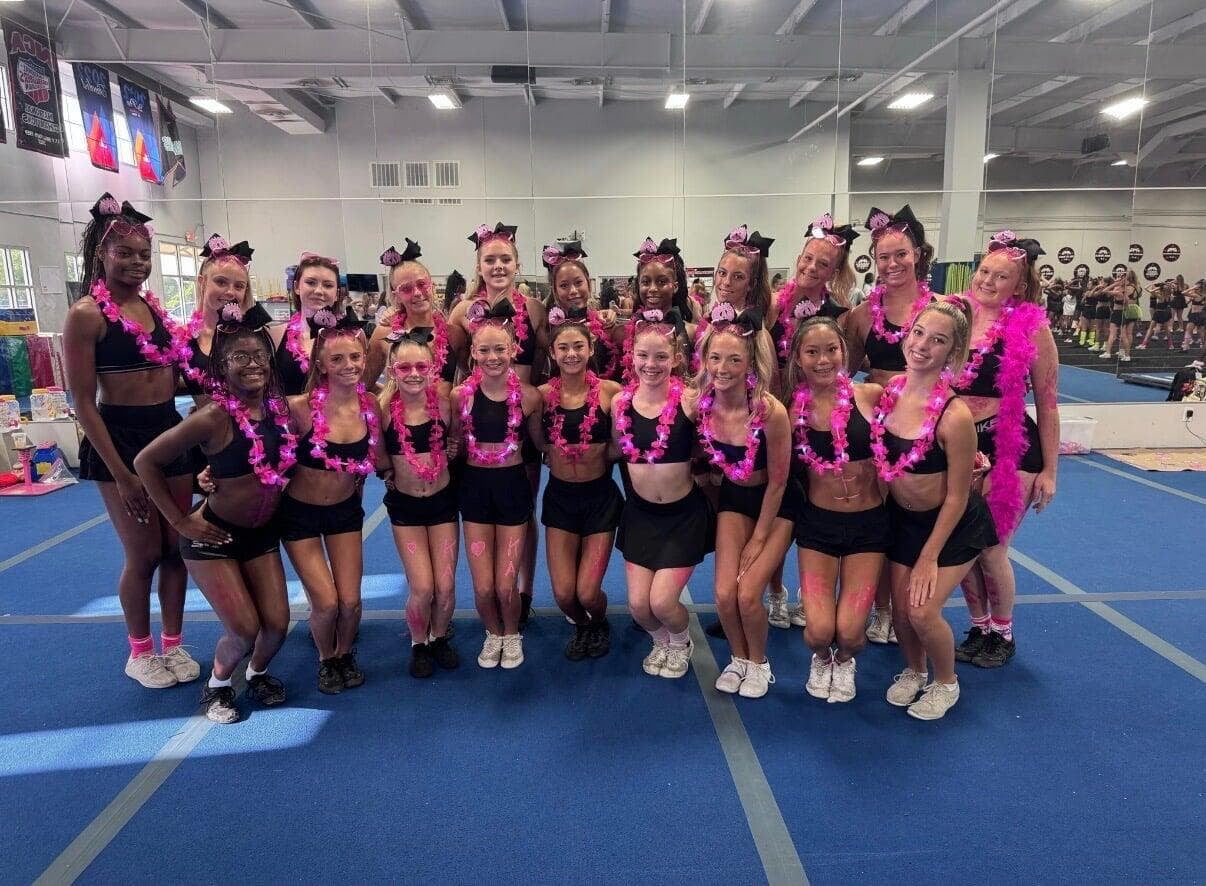
Bringing inclusive traditions into your spaces
1) We as coaches can encourage athletes to acknowledge how things, like old hashtags, represent the legacy and traditions of a team, but how new traditions can be created to include everyone. It is important to look back and understand how past traditions that exist within your gym/studio influence practices, athletes, and coaches. Try looking at one of your traditions from the perspective of a new athlete or coach and think about how it may look from the outside. For example, at our gym, our Senior 5, Cobra Kai, has a long legacy and lots of new athletes this year. They have had numerous hashtags associated with their team in the past, and while they still use them and remember what they mean, this year they have created new ones to represent the team that they are now.
2) Another way to bring inclusivity into traditions is to have sister teams or bigs and littles. This creates a sense of camaraderie in athletes beyond the bounds of just their team or group. Younger athletes can build bonds with those that they look up to, and older athletes can help mentor younger athletes. Through these connections, older athletes can bring the younger ones more into the culture and traditions of the gym/studio. Athletes can learn from one another how to meld tradition with new things.
3) Finally, coaches can work to build strong relationships with their athletes by establishing mutual respect and sharing details about when they were an athlete. By relating to athletes, coaches can make themselves more approachable. In doing that, athletes may feel more like they can open up to a coach, and coaches can better understand the child beyond the athlete. Coaches can be an important part of traditions, and when athletes don’t feel like they can approach a coach, they may feel excluded.
Why inclusive traditions matter
Bridging the gap between past and future is important in any athlete’s development, just as it is vital to keep up with the ever-evolving worlds of cheer and dance. Athletes who grow up in their sport often feel a sense of reverence toward older teams/groups and strive to be a part of them someday. In an environment where tradition feels like a stepping stone rather than something unattainable, athletes can move more comfortably toward their goals. The more comfortable and included athletes feel in the environments they value, the better they are able to function in those spaces. As coaches, we strive to make our athletes feel and understand that they are part of something special, and traditions can help foster that spirit in a positive manner when handled properly.

Liv Matthews, Danny Bowers, and Savannah Olson are coaches at Stars Vipers Katy, contributing on behalf of the USASF DEIS committee.
The Power of Program-Wide Showcases
By: Chad Wright | Cheer and Dance Athletics and USASF Connection Leader
By: Chad Wright | Cheer and Dance Athletics and USASF Connection Leader
Picture a Sunday afternoon arena, gym, studio, or venue, months before a single competition score is posted. The seats are full — not just with cheer parents, but with dance families too — all there for one thing: watching a team's first live run-through of the season. That's what a well-run, club-wide showcase would look like, and it's fast becoming standard practice across All Star gyms and studios.
The Value of the Showcase
The 2025-26 season alone saw over 70 gym showcase events run between October and December.
For coaches and gym owners, these moments aren't scheduling niceties — they're the connective tissue that turns a roster of separate class levels, and separate cheer and dance programs, into one shared culture. That culture is the real asset: athletes who feel like they belong to something bigger than their own team, and families who show up for each other regardless of which program their kid is in. That culture also pays off in business terms — better retention, more cross-enrollment, steadier tuition — but those gains are a byproduct, not the goal.
Cheer Athletics and its sister program, Dance Athletics, offer a useful model. Across their network of gyms, three recurring moments anchor the year: the season-opening Blue Debut, the season kickoff, and high-profile send-offs. Here's what each one builds culturally — and why the business case follows from getting that culture right, not the other way around.
The Blue Debut: A Season's First Live Performance
Cheer Athletics and Dance Athletics run a branded, consistent season-opening showcase — the Blue Debut —holistically across their network. Giving every gym in the network the same signature event does something a one-off showcase can't: it builds a brand identity that travels with an athlete no matter which location they walk into.
The event itself is a full-day, ticketed public gathering billed on one location's event page as "our official kick-off to the season". Each team performs its new routine live for the first time, in a real venue, in front of a real audience. Functionally, it's a dress rehearsal with an audience — teams test choreography, routine sections, and gather feedback before anything counts at a judged competition.
The real payoff is cultural. A public debut turns a routine into a shared milestone — athletes get validated in front of the community that will support them all season, and families who aren't yet on a competitive team get pulled into the excitement before a single result is on the board. That same visibility happens to be good business too: a packed showcase is free marketing and an early return on the season's tuition. But again, that's the byproduct, not the point.
Season Kickoff: One Meeting, One Culture
The kickoff is a different event from the Blue Debut, and it happens earlier. For example, team placements are announced right after tryouts, and the announcement is immediately followed by a "Season Kickoff and Parent Meeting."
That meeting is the logistics-and-culture reset for the whole gym: teams learn their roster, parents get the season calendar and expectations, and — critically — cheer and dance families are in the same room together, rather than sitting through two separate meetings on two separate nights.
That single choice carries a message: the gym and studio’s identity is bigger than one discipline. It's one family with two ways to compete, not two businesses that happen to share a building — and that shared identity is what keeps a family enrolled at the gym even if their child eventually gravitates from one program to the other, rather than walking out the door entirely.
Send-Offs: Bringing the Whole Gym to the Big Stage
The send-off is the emotional bookend to the Blue Debut — a whole-gym gathering before a gym and studio’s teams travel to a major national competition. For Cheer Athletics and Dance Athletics, that trip is explicitly named as the season's ultimate goal for the competitive teams end of season.
Unlike the Blue Debut, the send-off at Cheer Athletics and Dance Athletics isn't a branded, formally run program — it's an informal tradition, closer to grassroots gym culture than a scripted event. That contrast is worth noting on its own: these gyms invest heavily in engineering the season opener and deliberately let the send-off stay loose and curate athlete-driven excitement.
Either way, the send-off's value comes from who it pulls in. A gym/studio-wide send-off isn't just for the traveling team — it's for the recreational classes, the younger levels, and whichever program, cheer or dance, isn't traveling that week. Younger athletes get a concrete picture of what they're working toward, and families of teams that aren't traveling stay invested in the gym's success as a whole, not just their own child's season.
The Business Case Follows the Culture
None of this works as a business strategy on its own — it works because Cheer Athletics and Dance Athletics treats it as one entity, not two adjacent businesses. Many of its locations are branded, plainly, "Cheer & Dance Athletics," and Dance Athletics operates under the Cheer Athletics umbrella, sharing staff and facilities.
Since that culture is shared, the economics are too: one venue and one event budget serve two programs at once, and a household invested in both cheer and dance has far more reason to stay than one invested in either alone.
The results back it up: Cheer Athletics grew from two athletes practicing in a park in 1994 to thousands of athletes across a nationwide network of gyms, including locations abroad — evidence that culture-first, combined-program gyms scale.
Closing Thought
Showcases, kickoffs, and send-offs aren't marketing add-ons. They're the connective tissue that turns a set of separate class rosters into one shared culture — and, as Cheer Athletics and Dance Athletics show, that culture can be built across two disciplines just as easily as one.
An essential note to remember; none of this requires multiple locations or a franchise budget — a single-site gym gets the same effect at a smaller scale, because what makes it work isn't logistics, it's that culture doesn't split along program lines when the calendar doesn't split along program lines either.
This is an easily repeated idea for any USASF-affiliated club, whatever your size and whichever programs you run.

Chad Wright is the Chief Operating Officer for CA Brands and a senior leader for Cheer and Dance Athletics. Chad also serves as a USASF Connection Leader.
Bullying Prevention Starts With Coaches
By: USASF Athlete Advisory Council
By: USASF Athlete Advisory Council
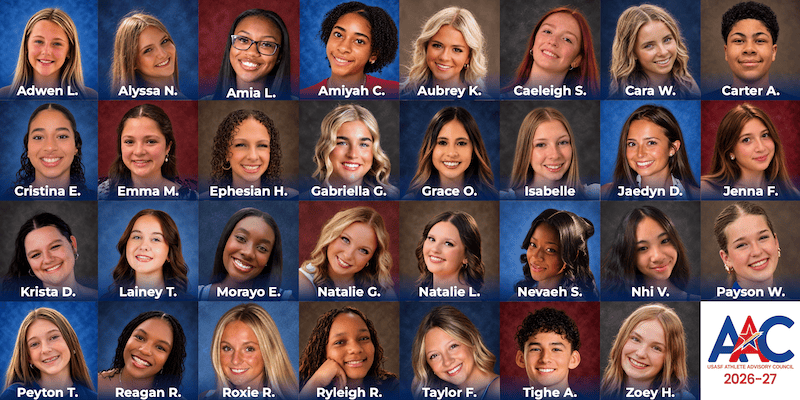
Bullying Prevention Month is an opportunity to look beyond what happens when bullying occurs and focus on what coaches can do every day to create a culture where athletes feel safe and supported.
The USASF Athlete Advisory Council (AAC) recently shared their perspectives on creating positive team environments and preventing bullying.
From checking in with a teammate to celebrating differences, creating space for mistakes and using social media positively, the AAC offered practical ideas coaches can bring to their teams throughout the season.
Create a Culture Where Athletes Feel Safe to Speak Up
Emma Miller emphasized the importance of creating an environment where athletes feel comfortable to speak up.
“A welcoming team environment means no one is afraid to ask questions!” Emma said “Encouraging your teammates and athletes to speak up when they need clarification or help can make a big difference!”
Coaches can set that tone by consistently reminding athletes that asking questions is a strength - not something to be embarrassed about. The same applies to mistakes.
“A truly inclusive team environment is one where mistakes are treated as learning moments rather than opportunities for criticism and where every athlete's strengths are recognized by their teammates,” said Lainey Torok.
Notice When Something Seems Different
Sometimes an athlete who is struggling won't say anything. Take time to notice when something seems off, suggests Aubrey Klipfel.
“Sometimes being supportive means noticing the things that aren't being said,” Aubrey advises. “If a teammate suddenly becomes quiet, stops participating, or just seems different than usual, take a minute to check in with them.”
Coaches can build this practice into their everyday routine. Connect with athletes during stretching, water breaks, before or after practice, or while working through a routine.
Teach Athletes to Be Upstanders
Creating a positive team environment isn't solely the coach's responsibility. Athletes have a role, too.
Alyssa Nolden highlights the importance of being an upstander rather than a bystander—having the courage to take action when someone needs support.
“As humans (especially teenagers) we often feel the need to fit in,” Alyssa said. “One of my favorite quotes from Harry Potter reflects this idea. ‘It takes a great deal of bravery to stand up to our enemies, but a great deal more to stand up to our friends.’”
Coaches can help athletes understand what being an upstander looks like:
Include someone who is being left out.
Speak up when someone is being treated poorly.
Encourage a teammate who is struggling.
Don't laugh along when someone is being criticized.
Check in with someone who seems uncomfortable or upset.
Athletes may not always feel comfortable confronting a friend or teammate directly, so make sure they understand that coming to a coach is always an option.
Make Inclusion Intentional
An inclusive team doesn't happen simply because everyone wears the same uniform or practices toward the same goal.
Reagan Robinson emphasized creating a team culture where athletes can be themselves without feeling like they have to change their personality, interests or background to fit in.
“We can build this culture by celebrating achievements outside of the sport or creating traditions that belong to everyone on the team.” Reagan recommends.
Adwen Lorkovich pointed out that even within a team working toward the same goal, some athletes can still feel out of place. One way to address that is to intentionally vary groups rather than allowing athletes to always gravitate toward the same people.
“It's important to make everyone feel included so the enjoyment factor is equal for everybody,” Adwen said. “A team that is bonded will go farther than a team that is separated!”
Try this: Instead of allowing athletes to always pair up with the same teammates, intentionally rotate groups during certain activities or team-building exercises.
Recognize More Than Performance
Athletes want to know that what they contribute matters.
That doesn't always mean winning a competition or landing a new skill. It might mean encouraging a teammate, helping with counts, showing leadership, working through a difficult practice or bringing a positive attitude to the team.
Roxie Ramey suggested using specific shoutouts to make teammates feel appreciated for their contributions.
“Everyone brings something unique to a team and that should be celebrated,” Roxie explained. “Everyone on the team should be on a level playing field and get treated equally. Leaders on the team should also remember that being kind always goes a long way!”
Jenna Farber encouraged celebrating important moments throughout an athlete's All Star journey—from winning a competition to getting a new skill, moving up a level or achieving another milestone.
As a coach, look for those moments and be specific in your recognition:
“I saw you encourage your teammate after that mistake.”
“Thank you for helping everyone get that section of the routine.”
“Your attitude today made a difference.”
Specific recognition helps athletes understand that they are valued for more than their competitive performance.
Help Athletes See Their Value to the Team
Sometimes, helping an athlete feel included can be as simple as giving them an opportunity to contribute.
Alyssa Nolden shared that athletes can feel valued when they feel useful. She suggested that if a teammate is particularly knowledgeable about a section of a routine, another athlete or coach can ask them to help with counts or cleans.
Coaches can look for these opportunities throughout practice. Give athletes chances to teach, demonstrate, encourage and contribute—not just perform.
This reinforces an important message: every athlete has something valuable to bring to the team.
Build Relationships Beyond Practice
Team connection doesn't have to end when practice does.
Natalie Grask emphasized that getting to know teammates outside of practice can help create personal relationships, strengthen team culture and help prevent bullying.
“The more comfortable you feel with someone outside of practice the more the team can be closer, create a better team culture, and prevent bullying,” Natalie said.
Coaches can create opportunities for that connection through team-bonding activities, celebrations, traditions or simple moments together.
Ryleigh Robinson suggested team bonding and events where athletes can come together, get to know one another and create positive memories.
“Having a community behind you, helping you and guiding you throughout challenges or obstacles can help prevent the fear of judgement, failure, and bullying!” Ryleigh said.
The goal isn't to make every athlete best friends. It's to help create a team where athletes know one another, respect one another and feel comfortable supporting one another.
Set the Tone for Social Media
Team culture doesn't stop when athletes leave the gym.
Natalie Lusk encouraged athletes to use social media to highlight the good things their teammates are doing rather than putting others down.
“Social media can be a powerful tool to spread positivity within a community so don't use it for negativity instead!” Natalie said.
Coaches can help by establishing clear expectations for how teammates should treat one another online.
Encourage athletes to use social media to:
Celebrate a teammate's new skill.
Comment positively on teammates' accomplishments.
Recognize someone who has been supportive or encouraging.
Share positive moments from the team.
Speak up or seek help when they see harmful behavior.
Give Athletes Opportunities to Appreciate One Another
Sometimes, athletes simply need a reminder of what they appreciate about the people around them.
Morayo Ezekiel suggested a Team Appreciation Day, where each athlete is secretly assigned a teammate and asked to write a short note sharing something they genuinely appreciate about that person.
The notes could recognize a teammate's:
Positive attitude
Hard work
Encouragement
Leadership
Kindness
Unique contribution to the team
The coach can read the notes aloud throughout the week, giving athletes an opportunity to hear how their teammates see and appreciate them.
It's a simple activity, but it reinforces an important message: Every athlete brings something valuable to the team.
Remember: Small Moments Matter
The Athlete Advisory Council repeatedly returned to one important idea: creating a supportive team doesn't always require a major initiative.
Amia Lane encouraged teammates to offer one-on-one check-ins.
“Being the light in someone's dark can be far more effective than adding to the darkness,” Amia said.
Cristina Espina added that it is all about recognizing when someone isn’t being included.
“It means that if you notice a teammate feeling down or feeling left out at a water break, making an effort to include them in your conversation or to stunt with them will make a whole lot of difference in their day,” Cristina said.
And Morayo Ezekiel summed up the challenge simply: “Be the teammate who notices, encourages, includes and appreciates others!”
For coaches, that same challenge applies.
The Coach Sets the Standard
Athletes watch what their coaches do.
They notice how coaches respond to mistakes. They notice who gets recognized. They notice how conflict is handled and how athletes are spoken to when things don't go as planned.
Creating a team culture where everyone belongs starts with setting that expectation and reinforcing it consistently.
This Bullying Prevention Month, challenge your team to:
Notice. Encourage. Include. Appreciate.
Because a supportive team isn't created in one conversation or one team-building activity. It's built through the small moments that happen every day.

The Athlete Advisory Council is comprised of USASF Athlete members competing on an All Star Cheer or All Star Dance team at a member club.
Creating a Culture Where All Athletes Feel Included and Supported
Interview by Vanessa Vail: featuring Melissa Powell and Rebecca Luce | USASF Exceptional Athlete Committee Members
Interview by Vanessa Vail: featuring Melissa Powell and Rebecca Luce | USASF Exceptional Athlete Committee Members
For coaches, creating an inclusive club culture can begin with a simple question: Who in our community needs an opportunity to be part of a team?
Vanessa Vail, Exceptional Athlete Committee Chair, recently sat down with fellow Exceptional Athlete (EA) Committee members Melissa Powell and Becky Luce to talk about their experiences building EA programs at their clubs, the impact those programs have had on their athletes, and what other coaches can learn from their journeys.
Their stories demonstrate that an Exceptional Athlete program is about far more than creating a class or performance opportunity. It is about building a community where athletes can develop skills, form friendships, set goals, and experience the pride of being part of a team.
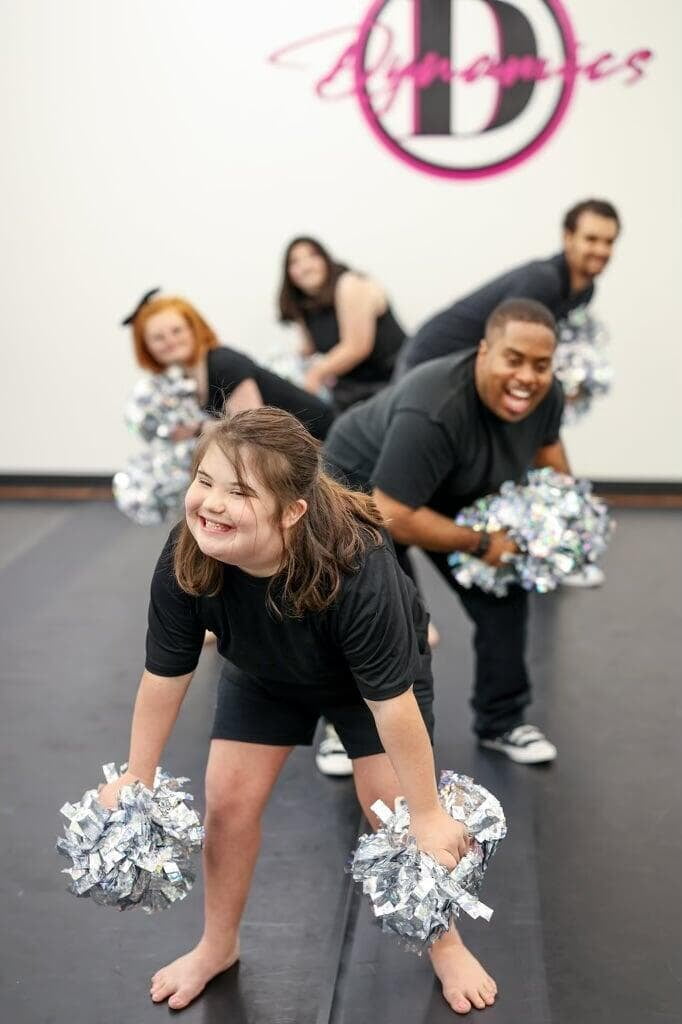
Start by Recognizing a Need
For Melissa Powell of Dance Dynamics, the idea for an EA program began with her experience as a special education teacher.
“I was always creating performance opportunities for my students,” she explains. “I loved watching them light up when they were on stage, performing, being celebrated, and feeling like they truly belonged.”
Those experiences helped Melissa recognize a larger need in her community: a dance program specifically designed for individuals with disabilities.
She approached her club owners with her vision, and what began as an effort to meet an unmet need quickly became something much bigger.
“It has become a community, a team, and a place where our dancers get the opportunity to shine, belong, and be seen,” Melissa says.
For Becky Luce of Gymtyme Allstars, the response from the community was equally powerful. Her program grew from just three athletes to more than 30 in a short period of time.
“We quickly realized our program helped fill a gaping hole in our community,” she says. “We were able to offer specialized programs and classes five days a week.”
The rapid growth demonstrated just how much demand exists for opportunities that allow athletes with disabilities to participate, train, perform, and compete.
Recognize the Athlete in Every Athlete
One of the most significant benefits of an EA program is the opportunity for athletes to discover what they are capable of accomplishing.
Melissa sees confidence as one of the most important outcomes.
“Our dancers build friendships, learn teamwork, practice communication, and develop a sense of belonging,” she says. “For many of our athletes, having the opportunity to compete and perform gives them something to work toward and be proud of.”
Athletes also develop physical skills, including body awareness, coordination, motor skills, rhythm, strength, and the ability to learn and retain choreography.
But perhaps most importantly, Melissa wants her EA dancers to recognize themselves as athletes.
“I want our dancers to know that they are athletes. They have goals, they work hard, they improve, and they deserve to be challenged and celebrated just like every other athlete.”
Becky has seen that mindset translate directly into her program's training environment.
“We design practice plans and competition routines that are just as rigorous and comprehensive as those for our Level 5 teams,” she says. “By setting high expectations, our athletes truly flourish.”
The results go beyond athletic development. Becky has also witnessed significant social growth and the formation of lasting friendships.
“Seeing these athletes form lasting friendships is incredible—without these programs, many of them would have never crossed paths.”
Inclusion Means Belonging
Creating an EA program does not mean the athletes have to participate in every activity in exactly the same way as the club's other teams. Instead, Melissa believes inclusion is about intentionally creating opportunities for everyone to feel connected to the larger club community.
“There is something really special about seeing our typical athletes and their families in the audience cheering on our Shining Stars just like they would any other team,” she says.
While EA athletes may have different class schedules or training opportunities, they are still an important part of the same club family.
“I think inclusion doesn't always mean everyone doing the exact same thing at the exact same time,” Melissa explains. “Sometimes it means creating intentional opportunities for everyone to come together, celebrate one another, and experience that sense of belonging.”
For coaches, those opportunities can take many forms—from club-wide events and showcases to team celebrations, performances, volunteer activities, and simply encouraging athletes and families to support one another.
Don't Wait for Perfect
For coaches who are considering starting an EA program, Melissa offers a simple piece of advice: “Don’t wait for everything to be perfect before you start.”
Building a successful program takes time, but coaches do not have to do it alone. Melissa encourages coaches to build relationships with the special needs community in their area.
Connect with families, schools, special education teachers, therapists, transition programs, and other organizations serving individuals with disabilities. These relationships can help clubs connect with potential athletes while also helping coaches better understand the needs of the athletes and families they hope to serve.
Starting small can be the beginning of something much bigger.
Give Athletes the Opportunity to Show You What They Can Do
Ultimately, both Melissa and Becky return to the same fundamental belief: athletes with disabilities deserve the same opportunities to work toward goals, be challenged, improve, and be celebrated.
“Don’t underestimate what these athletes can do—and don’t be afraid to give them the opportunity to show you,” Melissa says.
Becky agrees.
“Athletes are athletes. They want to be challenged and appreciated. Everyone needs to be encouraged to do their best, even on the days they don’t feel it.”
For coaches, that mindset can be the foundation of a truly inclusive club culture. An Exceptional Athlete program can open doors to competition, performance, friendship, confidence, and athletic growth—but perhaps its greatest impact is creating a place where every athlete knows they belong.
Because when athletes are given the opportunity to shine, they often show us just how much they can do.

Vanessa Vail is the chairperson for the USASF Exceptional Athlete Committee and works for Dance Athletics Denver.
Busy to Strong
by Melissa Strong | 5678! Dance and USASF Dance Advisory Board
by Melissa Strong | 5678! Dance and USASF Dance Advisory Board
Start delegating what doesn’t bring you joy first. This can be one of the hardest things to do as a club owner or coach. However, if we want to be great owners and coaches, we also have to be happy owners and coaches. Your worth is not measured by how exhausted you are or how busy you are at the end of the day.
So, how do we stay organized and on top of things when life gets busy? When competition season gets busy? When the chaos of the season starts to take over?
As a gym owner with 250+ dancers and 15+ staff members, staying organized is key for me. I not only give myself deadlines, but I give my staff deadlines as well. At the beginning of each season, I provide my staff with a calendar of important dates—from uniform and costume deadlines to choreography deadlines, holiday breaks, and our end-of-year performance dates.
Getting information out sooner rather than later helps everyone stay on the same page.
And this doesn’t stop with staff. I also send our athletes and parents a calendar of important dates for the season, including competitions, breaks, performances, events, and other important reminders. When everyone knows what is coming, there is less confusion and fewer last-minute questions.
Communication is one of the biggest keys to organization.
During the busy season, weekly emails—or sometimes even daily communication—are a must for me. Reminders about upcoming events, gym happenings, schedule changes, and even daily classroom expectations help keep parents, athletes, and staff aligned.
The more information we communicate ahead of time, the less we have to scramble later.
Every owner and coach is different, but I am definitely a paper person.I love having a huge calendar where I can physically write everything down. I also love having a binder with folders for each of my teams and classes where I can keep notes, lesson plans, prep work, choreography notes, and anything else I may need throughout the season.
Of course, all of this can be done digitally on a computer, too. The important thing is finding an organization system that works for you and that you will actually use.
One of the biggest things that has helped me over the years is keeping things that I can reuse season after season. Warm-ups, skill work, drills, class plans, games, exercises, and other resources that work well don’t need to be reinvented every single year.
If something works, save it!
Organization doesn’t mean doing everything yourself. In fact, sometimes being organized means knowing what you shouldn’t be doing yourself. Delegate the things that don’t bring you joy. Give your staff and assistance clear expectations and deadlines. Communicate early and often. Create systems that keep everyone informed.
Because at the end of the day, the goal isn’t to be the busiest person in the gym.
The goal is to build a gym that runs well without you having to carry every single piece of it.
Melissa Strong is the owner of 5678! Dance in South Dakota and a USASF Dance Advisory Board member who also serves as a PEER Mentor.
Developing Athlete Leaders at Every Age
by Owen Cox | Stars Vipers-Katy & USASF Board of Directors and Connection Leader
Why should we be developing athlete leaders at every age
Step 1: Understand the Ages
Leadership development among your athletes starts by understanding how kids learn at every age.- Tiny/Mini — These kids learn leadership by watching.
- Youth/Junior — These kids learn leadership by belonging.
- Junior/Senior — learning leadership by leading.
Step 2: Understand and Communicate with Empathy
Building leaders starts with how you first communicate. Every age requires a unique style of communication to be effective.Tiny/Mini
Youth/Junior
Junior/Senior
Step 3: See the Best
Actionable Steps to Apply in your Club for Every Age

Owen Cox is the owner of Stars Vipers-Katy and a USASF Connection Leader who also serves on the Board of Directors.
Leveraging the Novice Tier
by John Moore | Empire Athletics & USASF Connection Leader
Do you have parents looking for that “entry into cheerleading or dance” without having to fully commit to a Prep or Elite team? Ever wish your current athletes had a way to develop more advanced skills throughout the season and use them on stage without the judging? Lastly, do you want to give your coaches more chances to grow within the profession? This is where the USASF's Novice tier can help you, your coaches, and your athletes.
What is the Novice Tier in All Star?
The USASF Novice tier is for individuals who are new to All Star but ready for performance-based teams that are evaluated at events. Novice teams focus on strengthening technique and performance skills that help prepare athletes for competitive All Star teams.
The Novice divisions do not count toward your D1/D2 classification. It is our job as professional members to take USASF's information and craft it into our business model.
How Empire Athletics use the Novice Tier
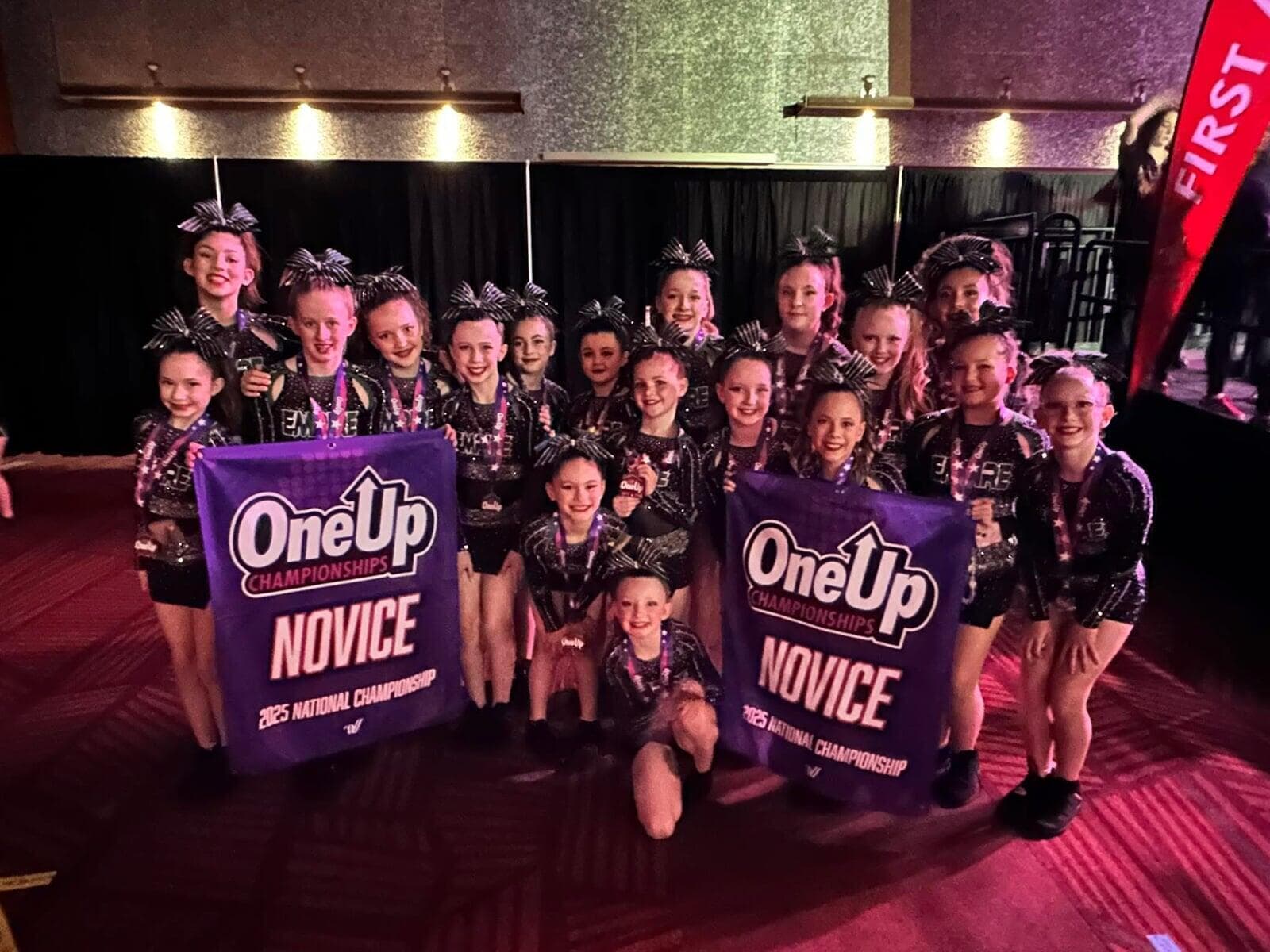
At Empire Athletics we use the Novice rules as our spring board for newer athletes as well as bridging the gap between All-Star levels. Our Novice level 1 teams are made up of newer athletes, as well as seasonal class students who have been invited to our Half Year Program Experience, H.Y.P.E., or our Tiny Novice program. This is an easy way to bring in athletes brand new to competitive cheer or dance who are just finishing their sideline line commitment or need a little more polish before next year's school tryouts.
The USASF Novice level 1 rules help guide coaches and athletes to feel challenged without feeling lost or behind, which allows for the team routine to grow with them instead of forcing perfection from the start.
The USASF Novice tier also include level 2 and level 3 with restrictions in place to help differentiate these divisions from Prep or Elite divisions. At Empire Athletics we also use the Novice tier to improve our Prep and Elite athletes while in season. During September we invite athletes pushing the envelope on the next level skills in tumbling and stunting to join our On Deck program. The On Deck program is our progression-crossing team, which allows athletes to perform and practice skills one level above their current Prep or Elite team.
Growth of Novice in 3 Years
We started this program 3 seasons ago with the goal of answering the parent question of “How can my athlete progress toward higher-level skills throughout the season — not just with tumbling — when Elite practices are focused on perfecting and repeating current skills instead of developing new ones?.”
After researching the USASF tiers and divisions, and with some adjustments in coaching on our end, On Deck was born. It started with two Novice level 2 and this year we're slotted for 4 On Deck teams ranging from Mini Novice level 2 to Junior Level 3.
Each On Deck team performs 2-3 times a season, practices for one hour before or after their set Prep or Elite practice schedule, half the time is spent as a tumbling class with drills and the second half is routine building slowly. We try to keep the cost no more than a regular tumbling class we offer so as to not outprice our parents. And our parents love it! Right now we are gearing up for our On Deck invite day and cannot wait to get started with year number three. USASF Novice tier can do more than strengthen your bottom line with younger athletes, it can help build your program from within while allowing you to remain competitive across your other divisions.

John Moore is a USASF Connection Leader from Empire Athletics in the Pacific Northwest.